Before You Buy a Bright Box: SAD Lamps, Honestly
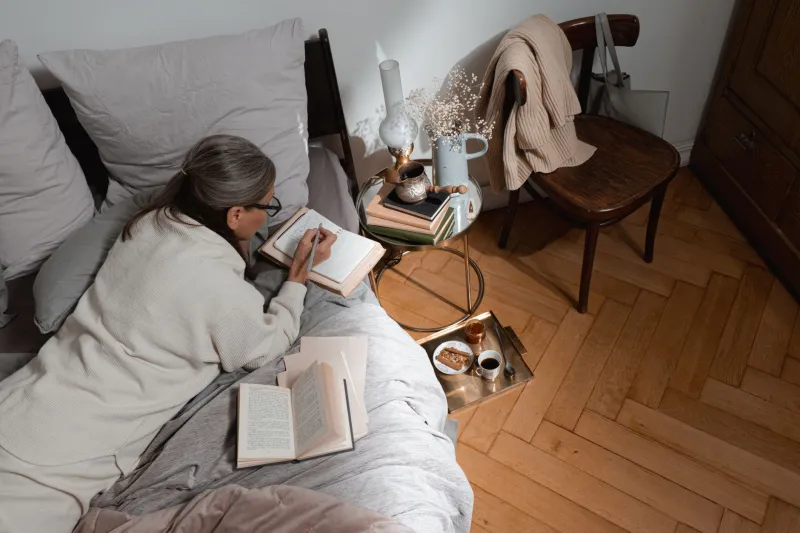
By the time it's dark at half four and your third cup of tea has gone cold, the adverts for bright boxes start looking tempting. They promise mood, energy and a personality transplant for £39.99. The reality is quieter than that — but a SAD lamp can still be a genuinely useful bit of kit for some people. Here's how to think about it without the hype.
What a SAD lamp is — and what it isn't
A SAD lamp (also called a light box) is a bright light that mimics outdoor daylight. Most sit on a desk or table and produce 10,000 lux at a set distance — roughly the brightness of a bright spring morning, not a tanning bed. The idea is to use it in the morning to nudge your body clock and ease the flat, sluggish, carb-craving feelings some people get when daylight shrinks.
It isn't a diagnosis, a cure, or a replacement for medical care. Seasonal affective disorder (SAD) is a recognised form of depression with a seasonal pattern, and the NHS treats it seriously. But not everyone who feels low in November has SAD. Plenty of us just have the winter blues, which are milder and often respond to ordinary things: daylight, routine, movement, seeing people.
First, ask whether a lamp is the right tool
If you're mildly flat, sleeping a bit more, and craving chips by 5pm, a lamp is reasonable to try alongside fresh air and a sensible routine. If your mood is low most days, you've lost interest in things, your sleep or appetite has changed, or you're feeling hopeless, book a GP appointment. That's not dramatic — it's just sensible. SAD lamps are not a substitute for talking therapies, medication or a proper assessment.
Also worth knowing: if you have bipolar disorder, light therapy can trigger mania in some people, so don't experiment without medical advice. Same if you have certain eye conditions or take medicines that make you sensitive to light.
Choosing one without spending a fortune
You don't need the most expensive box in John Lewis. Look for:
- 10,000 lux at a stated distance. The distance matters — a lamp that only hits 10,000 lux at 10cm is useless on your desk. Aim for one that gives 10,000 lux at around 20–30cm, or follow the instructions.
- A UV filter. Proper SAD lamps should filter out UV. Avoid anything that feels like a sunbed.
- Cool white light. Warm yellow light is cosy but less effective for this purpose.
- A stand or adjustable angle. You want it near your face, not shining at the ceiling.
- UKCA or CE marking and a returns policy. Buy from a reputable retailer. A 30-day return window matters, because not everyone gets on with them.
Prices vary from around £40 to £150. Fancy apps, 'medical grade' claims and sleek designs are fine if you like them, but they don't make the light more effective. Dawn simulators are a different thing — they wake you gradually with light and can be lovely, but they aren't the same as a light box for SAD.
How to use one without turning your day upside down
Most people do best with 20–30 minutes in the morning, ideally within the first hour of waking. Sit about arm's length from the lamp with your eyes open — you don't stare into it, but you do need the light to reach your eyes. Read, eat breakfast, check your emails. Don't use it at night, as it can push your body clock the wrong way.
Give it a week or two of daily use before deciding. Some people notice a lift within a few days; others need longer. If it makes you restless, headachy or irritable, stop and talk to a pharmacist or GP. And keep getting outside when you can — a lunchtime walk in grey daylight still counts.
Safety bits worth knowing
SAD lamps are generally low-risk for most people, but a few cautions are worth repeating. Don't use one if you have a condition that makes your eyes sensitive to light, or if you're taking medicines that can cause photosensitivity — check the leaflet or ask a pharmacist. If you're pregnant, it's fine to ask your midwife or GP first. And if you have bipolar disorder, don't go it alone.
Stop using it if you get eye pain, severe headaches, agitation or sleep problems. And don't leave it on all day — more isn't better.
When to talk to a GP instead
Book an appointment if:
- your low mood is affecting work, relationships or daily life
- you're having thoughts of self-harm or suicide — seek urgent help via NHS 111 or your GP
- you've tried a lamp for a couple of weeks and feel no better
- you have bipolar disorder, eye problems or take photosensitising medication
- you're pregnant or breastfeeding and unsure
Your GP can discuss CBT, talking therapies, medication and other options. A lamp is a small tool, not a whole treatment plan.
The bottom line
A SAD lamp is a reasonable, low-risk thing to try if dark mornings leave you flat — but buy a sensible one, use it in the morning, give it a fortnight, and don't expect miracles. If things feel heavy, talk to someone. The bright box is a helper, not a hero.