Kettle On, Kettle Off: Rethinking the Tea Break for Steadier Energy
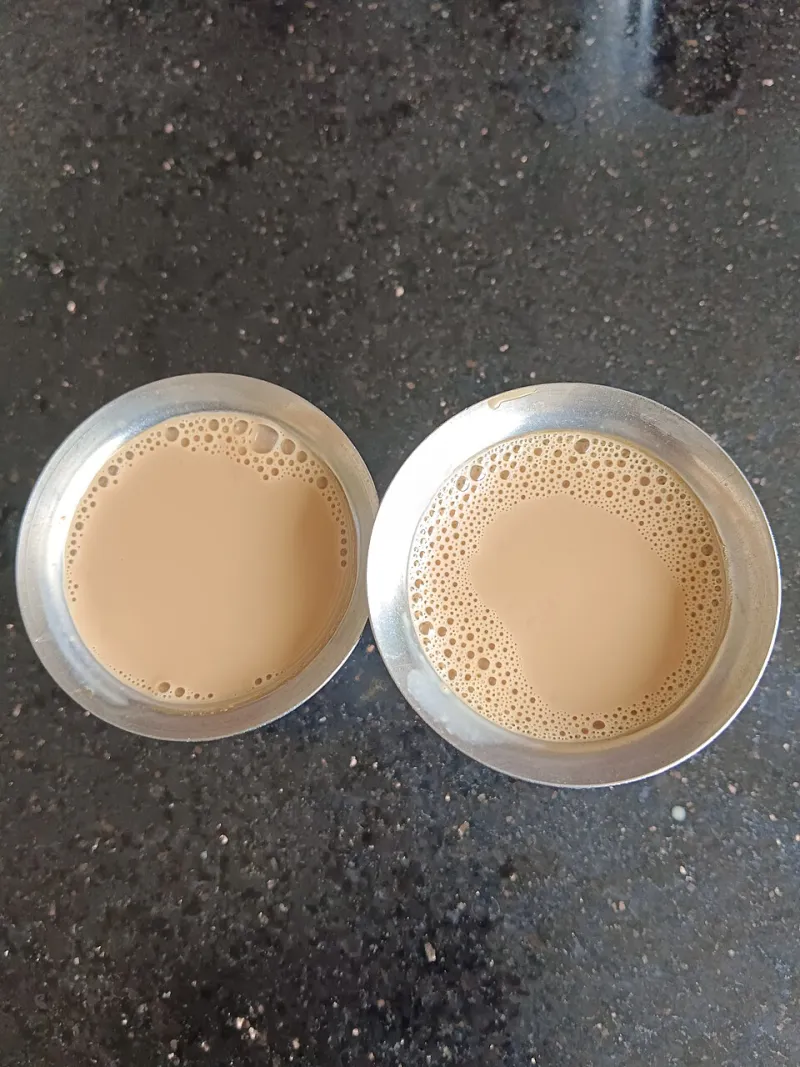
Photo: Darakshanehaluddin, CC0, via Wikimedia Commons
Tea is not just a drink here. It is a punctuation mark in the day: the first cup while the kettle boils, the mid-morning round, the 3pm biscuit negotiation, the evening brew that is more habit than thirst. None of that is a problem in itself. But if you are feeling wired at midnight, flat by mid-afternoon, or constantly topping up the mug without really noticing, it might be worth looking at the cuppa clock rather than cutting tea out altogether.
Here are a few realistic ways to rethink your tea breaks without turning them into a spreadsheet.
1. Know roughly what is in the mug
A standard cup of black tea has around 40–50mg of caffeine, depending on how strong you brew it and whether you use a teabag or loose leaf. Instant coffee is usually higher, often around 80–100mg, and filter coffee can be higher still. Energy drinks and cola add to the total too. UK guidance for adults is generally up to 400mg of caffeine a day, and for pregnancy it is around 200mg, but the way you feel matters more than hitting a perfect number. If you are having several strong teas, a coffee and a cola, your total can creep up without you realising.
2. Set a cut-off that suits your sleep
Caffeine stays in the body for hours. A common rule of thumb is to avoid it for around six hours before bed, though some people are more sensitive and need longer. If you go to bed at 11pm, that suggests a cut-off around 5pm — but if you are someone who lies awake after a 4pm tea, make it earlier. Try a simple experiment for a fortnight: switch to decaf or a herbal tea after a set time and see whether your sleep changes. Decaf tea is not caffeine-free, but it is much lower. Rooibos, peppermint, ginger or a warm squash can all fill the ritual gap.
3. Use the kettle as a break, not a drip feed
A lot of tea is drunk on autopilot. The kettle goes on because you have finished a task, because you are bored, because someone else is making one. That is fine, but it can mean you are sipping caffeine all day rather than having a proper pause. Try anchoring your tea to actual breaks: mid-morning, after lunch, maybe one in the late afternoon. Between those, keep a glass of water on the desk. If you notice you are reaching for the kettle out of habit, ask whether you are thirsty, tired, stuck, or just in need of a two-minute stand-up. Sometimes the break is the thing you need, not the brew.
4. Build a better 3pm break
The afternoon dip is real for lots of people. It is easy to answer it with a strong tea and something sugary, then feel even flatter an hour later. A better 3pm break might be a shorter tea plus a short walk, a stretch, or a few minutes of daylight if you can get it. If you are hungry, pair the drink with something that has a bit of protein or fibre — a handful of nuts, a yoghurt, a piece of fruit, or a slice of wholemeal toast — rather than relying on biscuits alone. This is not about banning biscuits. It is about not expecting a biscuit to do the job of a proper pause.
5. Hydrate alongside, not instead
Tea counts towards your fluid intake, so you do not need to panic that every cup is dehydrating you. But if tea is your only drink, it is easy to end up with a dry mouth, a headache, or that slightly gritty afternoon feeling. Keep water visible and easy. A glass with lunch, a bottle on the desk, a glass before you put the kettle on — small cues work better than grand plans. Pale straw-coloured urine is a rough everyday guide that you are drinking enough, though it is not a perfect test.
6. Swap smarter in the afternoon
You do not have to give up the ritual. If you want the warmth and the pause without the caffeine, try decaf tea, a herbal blend, or a milky drink that is lower in caffeine. Green tea still contains caffeine, so it is not a free pass in the evening. Chai and matcha can be stronger than people expect. If you like a milky builder’s tea, the caffeine is still there — the milk does not cancel it out. A half-caff blend can be a useful stepping stone if you are not ready for decaf.
7. Watch the extras
Tea itself is simple, but the extras can add up: sugar, biscuits, cake, and the tendency to have a cup every time you sit down. If you take sugar, try reducing it gradually rather than going cold turkey. If you have reflux, caffeine can make it worse. If you are prone to anxiety or palpitations, strong tea and coffee may not help. Tea can also reduce iron absorption from plant sources, so if you are at risk of low iron, leave a gap between your cuppa and your main meals rather than drinking it with every meal. If you are pregnant, breastfeeding, taking regular medication, or managing a heart condition, ask your midwife, pharmacist or GP for advice that fits you.
8. Remember that the break is the point
A tea break is one of the few socially acceptable pauses in a working day. It gets you away from the screen, gives you a reason to chat to a colleague, and marks the end of one task before another. That is worth keeping. The goal is not to replace every cup with green sludge or to become the person who brings their own herbal teabags to the office. It is to notice when tea is helping you pause and when it is just keeping you topped up with caffeine. Try one change for two weeks: an earlier cut-off, a glass of water between cups, or a proper standing-up break in the afternoon. Small tweaks, repeated, are usually the ones that stick.