Short Days, Small Steps: Why a Ten-Minute Evening Walk Is Worth It This November
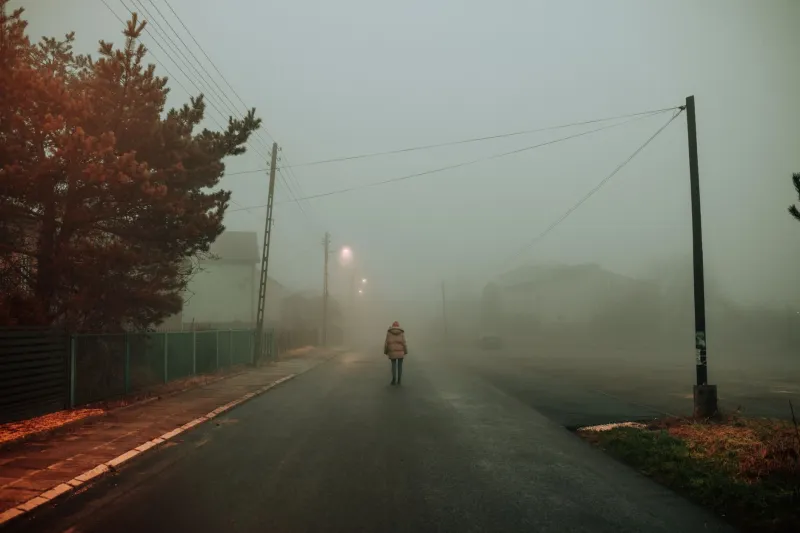
It's 7 November, and if you live in the UK you've probably had that moment already: you glance up from your desk at half past four and it's basically night. The clocks went back on 25 October, and with them went any lingering hope of a walk in daylight after work.
That's usually where good intentions quietly fold until March. But a ten-minute walk in the dark is still a ten-minute walk. It counts, it costs nothing, and honestly it's a lot easier to keep up than the gym session you keep pushing to next week.
Ten minutes is not a token effort
The NHS line is 150 minutes of moderate activity a week, and brisk walking counts towards it. Ten minutes a day gets you to 70 minutes before you've even added a longer weekend wander. This isn't about smashing targets — it's about accumulation. A short walk most evenings keeps the habit alive, keeps your legs used to moving, and does far more for you than a fortnight of heroic intentions followed by nothing.
Plan the route while it's still light
This is the bit people skip, and it's the bit that matters most. Before you start walking in the dark, walk your route once in daylight. Notice where the street lighting is patchy, where the pavements are uneven, where the crossings are, and which stretches go quiet after rush hour.
Good options tend to be lit residential streets, main roads with proper pavements, and the perimeter paths of local parks. Less good: unlit towpaths, canal edges, wooded commons and anything that turns into a mud bath by the second week of December. A simple loop from your own front door is ideal — five minutes out, five minutes back, and easy to cut short if the weather turns.
Tell someone where you're going, or share your location on your phone. Keep one ear free rather than sealing both with headphones, and make sure the phone is charged before you set off.
Layer up rather than bulk up
Cold and wet is manageable. Cold and wet in a soggy cotton hoodie is miserable. The trick is three thin layers rather than one thick one: something wicking next to your skin, a fleece or jumper over the top, then a waterproof shell. A hooded waterproof jacket beats an umbrella on a windy night, every time.
Don't forget your extremities. Hat, gloves, and shoes with a bit of grip — wet leaves and frosty pavements are the two big trip hazards of the season. And because you're sharing the road with drivers who can't see much either, add something reflective: a hi-vis armband, a jacket with reflective trim, or a small torch. Cheap, light, and genuinely useful.
Attach the walk to something you already do
The people who keep walking through winter aren't more motivated than you. They've just stopped relying on motivation. Instead, pin the walk to an existing trigger: the moment you close your laptop, the moment the tea plates go in the sink, the moment you get back from the school run.
Same cue, same time, every day. And leave the kit by the door — coat, shoes, torch — so there's no faffing about looking for things. Removing even thirty seconds of friction makes a surprising difference.
Bank the daylight you do have
Evening walks are great, but don't overlook lunchtime. Fifteen minutes outside in daylight in the middle of the day helps keep your body clock on track, and it's often the only proper light exposure many of us get between November and February.
On the vitamin D front, UK advice is to take a daily supplement of 10 micrograms through the autumn and winter months, because sunlight here simply isn't strong enough to do the job. And if your mood is consistently low rather than just a bit flat, speak to your GP — seasonal low mood is common, but it's treatable and worth mentioning.
A realistic week
- Monday: ten-minute loop after dinner
- Tuesday: ten minutes in the evening, plus a short walk at lunch
- Wednesday: five minutes, or a rest day
- Thursday: slightly longer — twenty minutes
- Friday: ten minutes, maybe with a podcast
- Saturday: a longer walk in daylight, thirty to forty minutes
- Sunday: whatever you fancy
Notice there's no perfect week in there. That's the point.
When it's grim outside
It will rain. It will be cold. On those nights, use the two-minute rule: put your coat on and walk to the end of the road. That's the whole commitment. Most evenings you'll carry on without thinking; occasionally you'll turn round and go back in — and you still went out, which is more than the sofa version of you managed.
The quick safety checklist
Stick to lit routes you've checked in daylight, tell someone your plan, keep one earbud out, watch for ice and wet leaves, and wear something bright. It takes thirty seconds to sort and makes the whole thing feel far less of a faff.
The aim here isn't a dramatic transformation. It's simply refusing to let a change in the clocks switch off your activity for five months. Ten minutes, a decent coat and a route you know — that's the whole plan. And by the time the light comes back in the new year, you'll be starting from somewhere much better than the sofa.