Cold-Season Clear-Out: What to Keep in Your Medicine Shelf and When to Ask a Pharmacist
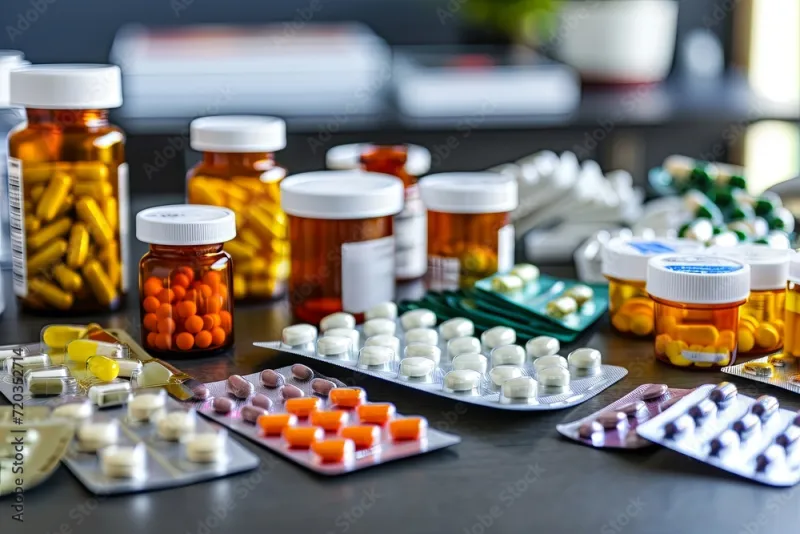
Photo: medicine cabinet shelf with plasters and paracetamol UK, via as2.ftcdn.net
Winter has a way of emptying the medicine shelf and filling the bathroom bin. A sore throat appears, someone buys three cold remedies, and by January you cannot tell what is in date and what is not. A quick audit now is cheaper and calmer than a panicked shop later.
This is general information, not personal medical advice. If you are unsure whether a medicine is right for you, ask a pharmacist.
Why a short audit beats a big stockpile
A well-chosen handful of in-date basics will cover most minor winter complaints. A cupboard full of half-used bottles does not. Start by taking everything out, checking expiry dates and putting aside anything that is past its use-by date. Then make a short list of gaps. The goal is a sensible shelf, not a small pharmacy.
The basics worth keeping in date
- Paracetamol, if you can take it, for aches and fever.
- Ibuprofen, if it is suitable for you, for pain and inflammation.
- A digital thermometer.
- Rehydration sachets for upset stomachs or heavy colds.
- Plasters and a small antiseptic cream for minor cuts.
- Throat lozenges or a simple cough syrup, if you find them helpful.
- One cold remedy you actually use, not five different ones.
- Children's paracetamol or ibuprofen if you have children, checked against their age.
Check the label every time. Many cold and flu products already contain paracetamol, so taking a separate paracetamol tablet as well can accidentally double the dose. That is one of the most common medicine mistakes, and it is worth being boring about it.
What to skip
- Out-of-date medicines. Take them to a pharmacy for safe disposal rather than putting them in the bin or down the sink.
- Leftover antibiotics. They are prescription-only for a reason, and they are not a winter standby.
- Multiple cold products with the same ingredients. Choose one and read the box.
- Giant multipacks of anything you rarely use. They expire before you need them.
- Products that promise to cure everything. A cold is a cold.
- Stockpiling prescription medicines. Order your repeat prescriptions as usual, not in a panic.
Check the label, not the hype
Look at the active ingredient, not just the brand name. Own-brand paracetamol does the same job as a fancy label if the dose and ingredients are the same. If you take other medicines, have a health condition or are pregnant, ask a pharmacist before adding anything new. That is not being over-cautious; it is being sensible.
When the pharmacy is the better first stop
For many minor winter complaints, a UK pharmacy is the right first call. Pharmacists can advise on coughs, colds, sore throats, earache, minor skin problems, indigestion and headlice, and they can tell you if you need to see a GP. You do not usually need an appointment. In England, the NHS Pharmacy First scheme means pharmacies can assess and treat some common conditions without a GP appointment. Ask what is available where you live.
Good questions to ask a pharmacist include: Is this suitable for me? Can I take it with my other medicines? How long should I use it? What should I do if symptoms do not improve? They are used to these questions and will not think you are wasting their time.
A simple checklist
- Take everything off the shelf and check expiry dates.
- Put out-of-date medicines in a bag for pharmacy disposal.
- Check you have paracetamol or ibuprofen that suits you.
- Check your thermometer works.
- Keep one cold remedy, not a collection.
- Check children's medicines by age and dose.
- Note anything you need to replace, but do not bulk buy.
- Store medicines somewhere cool, dry and out of reach of children.
Cost-saving without cutting corners
Buy own-brand basics where the ingredients are the same. Compare price per dose, not just the pack price. Ask a pharmacist if there is a cheaper equivalent of something you have been recommended. Do not buy a multi-pack of cold remedies just because it is on offer; you will probably use one and forget the rest. And remember that a pharmacist consultation is free, even if you end up buying nothing.
Storage matters
A steamy bathroom is not the best place for medicines. A cool, dry cupboard away from children is better. Keep tablets in their original boxes so you can check the dose and expiry date. If you use a weekly pill organiser, fill it carefully and keep the original packaging nearby.
The bottom line
A winter medicine shelf should be small, in date and easy to understand. Keep the basics, skip the stockpile, and use your pharmacist as a first stop for minor complaints. If something feels serious or is getting worse, seek medical help. Health4U is all for being prepared, but not for turning your cupboard into a branch of Boots.