Small Tins, Big Weeknight Saves: Getting Friendly With Tinned Fish

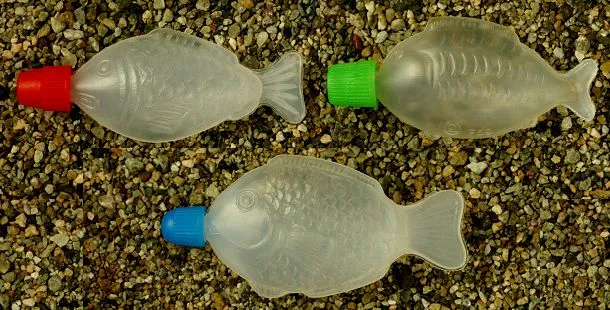
Photo: Tochiprecious, CC BY-SA 4.0, via Wikimedia Commons
There is something reassuring about a cupboard with a few tins in it. They do not need a plan. They do not go soft in the fridge drawer. And on a dark, drizzly evening when the idea of chopping anything feels ambitious, a tin of fish can turn a packet of pasta or a slice of toast into something that counts as dinner.
Tinned fish is not a new discovery, of course. Sardines, pilchards, mackerel and tuna have been supermarket stalwarts for decades. But it has had a quiet revival lately, partly because it is budget-friendly, partly because it keeps for ages, and partly because it fits the way a lot of us actually cook: quickly, without fuss, and often from what is already in the cupboard.
Why the quiet comeback makes sense
A tin of oily fish gives you protein and, depending on the type, omega-3 fats. Those are the fats the UK government advises we include in our diet, and oily fish is one of the most straightforward sources. That does not make a tin a magic health food. It is still just food. But as a regular, affordable swap for yet another ham sandwich, it earns its place.
It is also useful in a practical sense. Tinned fish is shelf-stable, so it can sit in the cupboard until you need it. It is often cheaper than fresh fish. And it works with all sorts of everyday basics: bread, potatoes, rice, pasta, beans, eggs, salad leaves, tomatoes, lemons and a bit of mustard or yoghurt.
If you are trying to eat a bit more fish but find fresh fish intimidating or expensive, tins are a gentle way in. Start with one tin a week and see where it fits.
What is actually in the tin?
Labels are worth a glance, especially if you are watching salt. A simple tin of fish in spring water or brine can be very different from one packed in a rich sauce. Look at the salt per 100g and compare a couple of own-brand options on the shelf. Brine-packed fish can be salty, so draining and rinsing it helps if you are adding it to a dish with other salty ingredients.
Oil-packed fish tends to be richer and more filling. You do not have to use every drop. Drain it, or use a little of the oil as part of the dressing. Fish in tomato sauce can be convenient, but it often carries more salt and sugar than a plain tin, so it is worth checking before it becomes a daily habit.
Also look at the drained weight rather than just the tin size. A bigger tin is not always better value if it contains a lot of liquid. Supermarket own-brand ranges are often perfectly good here, and there is no need to pay extra for a fancy label unless you genuinely prefer the taste.
For omega-3 fats, sardines, mackerel, pilchards and salmon are the usual tinned choices. Tuna is leaner and still useful for protein, but it is not the same oily-fish option as mackerel or sardines.
Bones, mercury and other worries
Some people are put off by the bones in tinned sardines. They are soft, edible and a source of calcium, but you do not have to leave them whole. Mash them into a pâté, flake them through pasta, or spread them on toast with lemon and black pepper. If the texture bothers you, start with boneless tins and work up.
On mercury and fish limits, the advice is not one-size-fits-all. UK guidance sets limits for oily fish and for certain types of fish, and the advice differs for people who are pregnant or breastfeeding, and for young children. If that applies to you, check current NHS guidance rather than relying on a general rule from a friend or a food label. For most adults, the practical message is variety: rotate tinned sardines, mackerel, salmon and tuna rather than eating the same tin every single day.
People also worry that tinned fish will be fishy in a bad way. Freshness matters less here than balance. Acid, herbs and something creamy or sharp usually sort it out. Lemon, vinegar, mustard, yoghurt, capers, parsley, chilli or a bit of finely chopped onion can all take the edge off.
No-faff lunches and dinners
For lunch, keep it simple. Sardines on toast with lemon and pepper is a classic for a reason. Tuna mixed with yoghurt or a little mayonnaise, sweetcorn and spring onion makes a decent jacket potato filling. Mackerel flaked through warm rice with cucumber, soy sauce and sesame seeds is quick and satisfying. If you are taking lunch to work, pack the tin separately and add it to a salad or couscous at the last minute so it does not go soggy.
For dinner, try sardines or pilchards in a tomato pasta sauce with garlic, chilli and a handful of greens. Mackerel works well in a warm potato salad with green beans and mustard dressing. Tuna can go into a bean salad with red onion, tomatoes and plenty of parsley. For a family-friendly option, make simple fish cakes from mashed potato, tinned salmon or mackerel, spring onion and a little flour, then serve with peas.
If you are cooking for sceptics, do not announce the tin. Start with a mild tinned salmon in a pasta bake, or flake mackerel into a tomato sauce where it melts into the background. Sardines can be a step too far for some, so save them for a solo lunch or a toast topping rather than a first family meal.
A small habit worth keeping
Tinned fish is not a shortcut to perfect nutrition, and it will not suit every household. But it is a useful, affordable cupboard standby that can make a quick meal a little more substantial. Buy a couple of tins you actually like, check the label once, and keep a lemon in the fridge. That is often all the plan you need.