The Chemist Before the Queue: How NHS Pharmacy First Actually Works

It is 8.30am on a grey November morning. Your throat feels like sandpaper, your ear is throbbing, or you have that familiar, miserable burning when you pee. You reach for the phone to ring the GP, then pause. Is this really a doctor job? Or could the chemist sort it?
That is exactly the question NHS Pharmacy First is designed to answer. In England, it lets community pharmacists assess a specific list of common complaints and, where appropriate, supply prescription-only medicine without you needing a GP appointment first. Think of it as a practical pitstop, not a replacement for your doctor. Used well, it can save you time, take pressure off general practice, and get you sensible advice closer to home.
What Pharmacy First is, and what it is not
Pharmacy First is an NHS service in England. Similar community pharmacy schemes exist in Scotland, Wales and Northern Ireland, but the details differ, so check what is available where you live.
The key point is this: a pharmacist is not a shop assistant with a till. They are highly trained clinicians who can ask questions, assess symptoms, and decide whether a medicine is safe and appropriate. Under Pharmacy First, they can supply certain prescription-only medicines under a formal arrangement, without you seeing a GP first.
It is not an emergency service. It is not for long-term conditions, vague symptoms that have been grumbling for months, or anything that feels severe or rapidly worsening. And not every pharmacy offers the service, so it is worth checking before you travel.
The common complaints it covers
In England, Pharmacy First covers seven clinical areas: sinusitis, sore throat, earache, infected insect bites, impetigo, shingles, and uncomplicated urinary tract infections in women aged 16 to 64. There are age limits and eligibility rules for each, which the pharmacist will check.
It also sits alongside the everyday advice community pharmacists have always given for minor ailments, from coughs and colds to hay fever and minor skin irritation. So even if your problem is not on the formal list, the chemist can still be a useful first conversation. They can advise on over-the-counter options, tell you whether you need to see a GP, or point you towards another service.
One important caveat: if you do not fit the criteria for a particular pathway, that does not mean you have been fobbed off. It means the pharmacist has decided that this route is not the right one for you. They should explain why and tell you where to go next.
How to prepare for the conversation
A good Pharmacy First consultation is a bit like a mini GP appointment. It helps if you arrive ready to talk clearly about what is going on.
Bring a list of any medicines you take, including things you buy over the counter, and any allergies you have. Note when your symptoms started, whether they are getting better or worse, and anything that makes them better or worse. If you have taken your temperature, mention it. If there is any chance you could be pregnant, say so. If you have already tried a treatment, say what and for how long.
It also helps to check whether the pharmacy offers Pharmacy First and whether you need to book rather than walk in. Many pharmacies have a private consultation room, so you can talk without an audience. If you are anxious about that, you can ask when you arrive.
What actually happens in the consultation
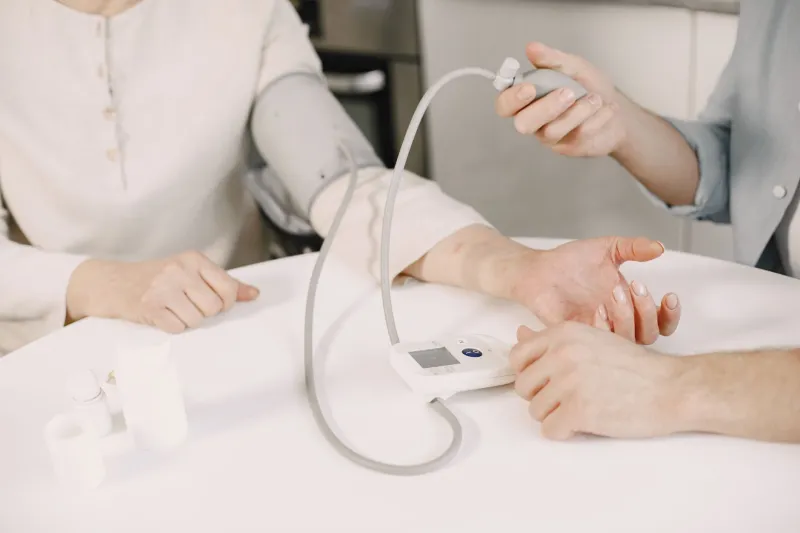
The pharmacist will ask you questions about your symptoms and your general health. They may look at your throat, your ear, or the affected area of skin. They may take your temperature or blood pressure if relevant. They will check whether you meet the criteria for the service and whether a medicine is clinically appropriate.
If it is, they can supply it there and then. If it is not, they will explain why and signpost you to the right place. They may also give you advice on what to do while you wait, and what to look out for if things change.
You should feel able to ask questions. What is this medicine for? How long should I take it? What side effects should I watch for? When should I come back if I am not better? A good pharmacist will welcome those questions.
When the chemist is a sensible first stop
Pharmacy First is a good fit when you have a common, mild-to-moderate problem that is not getting better on its own, and you do not have any red-flag symptoms. It is convenient, often quicker than a GP appointment, and you can usually get advice the same day.
It is also useful if you are not sure whether you need to see a doctor at all. The pharmacist can help you work out whether this is a wait-and-see situation, a chemist situation, or a GP situation.
When to skip the chemist and seek urgent help
There are times when the chemist is not the right first stop. If you have chest pain, severe difficulty breathing, confusion, a stiff neck with fever, a rash that does not fade when you press it, or you feel very unwell very quickly, call 999 or go to A&E. Those are emergency signs.
For urgent advice that is not a 999 emergency, call 111. That includes things like a fever that is not settling, severe dehydration, or a urinary tract infection with fever, shivering or pain in your back or side. If you are pregnant and think you have a UTI, speak to your GP or midwife rather than using Pharmacy First. The same goes for men with urinary symptoms, children with suspected UTI, and anyone with recurring UTIs.
Also contact your GP if symptoms are persistent, keep coming back, or are not improving as expected. Pharmacy First is for short-term, uncomplicated problems, not for diagnosing something that needs longer investigation.
A sensible order of operations
First, check for red flags. If anything feels severe, sudden or frightening, seek urgent help. Second, if it is a common complaint and you feel otherwise well, look for a local Pharmacy First pharmacy. Third, jot down your symptoms, medicines and allergies. Fourth, have the consultation and ask what to do if things do not improve. Fifth, follow up with your GP if the pharmacist advises it or if you are not getting better.
The chemist is not a way of dodging the GP. It is another door into the NHS, and sometimes it is the quickest one. Used sensibly, it can get you the right advice without the wait, while keeping GP appointments for the people who really need them.