One Glass, Then What? A Festive Drinks Guide for Anyone on Daily Tablets
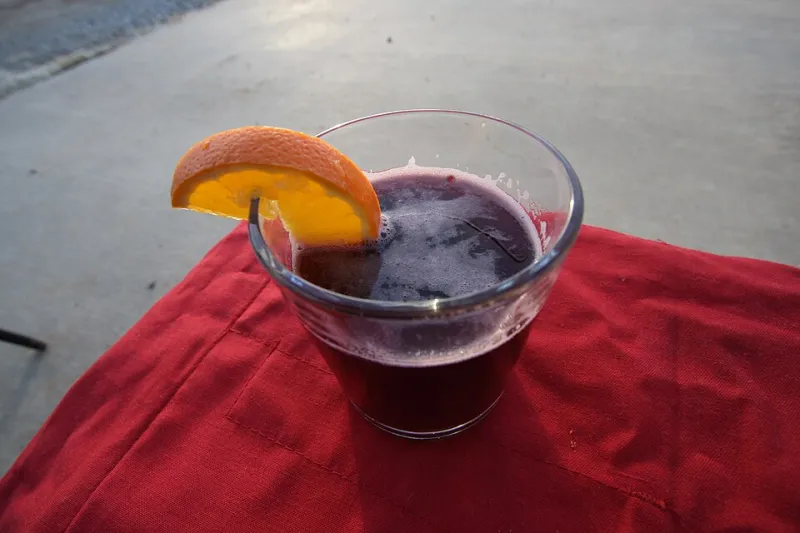
Photo: Wheeler Cowperthwaite, CC BY 2.0, via Wikimedia Commons
The first Christmas card has arrived, the office party has a date, and someone has already mentioned mulled wine in the group chat. Lovely. Except you're on tablets — blood pressure, antidepressants, diabetes, whatever it happens to be — and you're wondering whether a drink or two is a problem or a non-event.
The honest answer is: it depends. On the medicine, on the dose, on you, and on whether you've eaten. That's not a cop-out, it's just the truth. But the good news is that the useful information is genuinely easy to get, and you don't need a medical degree or a doctor's appointment to find it.
Why this is worth five minutes of your attention
Most people who take daily medication drink at some point over the festive season, and the vast majority come to no harm at all. But a few very common medicines do interact with alcohol in ways that range from mildly annoying to genuinely worth avoiding. The trick is knowing which category you're in before the prosecco comes out, rather than at 11pm when you're feeling odd and Googling symptoms in the taxi queue.
This isn't about telling anyone off. Nobody is going to be scolded here. The mood is simply: enjoy yourself, and don't turn your medicine shelf into an accidental chemistry experiment.
The usual suspects
Blood pressure tablets. Quite a few of them widen your blood vessels, and alcohol does that too. Stack the two and you can end up with a head-rush when you stand up, or a bit of dizzy wobble on the stairs. Usually manageable — but a slow pint rather than a fast one makes a difference.
Antidepressants. Some, particularly older types, can make you drowsier alongside a drink. Others are broadly fine in moderation. Your prescriber will know which sort you're on and won't be shocked you've asked.
Diabetes medication. This is the one worth taking seriously. Insulin and tablets like gliclazide can drop your blood sugar, and alcohol muddles the picture because the early signs of a hypo — feeling wobbly, sweaty, confused — look a lot like being a bit tipsy. That's how people end up in the wrong kind of trouble. If you're on these, have the conversation, and keep something sugary within reach.
Blood thinners. Alcohol doesn't mix brilliantly with warfarin in particular, and heavy sessions are best avoided. A couple of drinks across an evening is a different matter from a week-long bender.
Sleeping tablets, strong painkillers, sedating antihistamines. Anything that already makes you sleepy plus alcohol equals more sleepiness than you'd bargained for. Skip the drinks on the nights you take these.
Antibiotics. Most are fine with alcohol, but a few — metronidazole is the classic — really aren't. If you've been prescribed a short course, check the label or ask the pharmacist. It's usually only a week of abstaining, which is far less annoying than feeling vile at your own party.
What an interaction actually feels like
People imagine interactions as dramatic events. Usually they're nothing of the sort — more of a slow, subtle thing. You get tipsier quicker than you expected. You feel faint on the way to the loo. Your heart rate goes a bit odd. You sleep badly and wake up feeling worse than the units would suggest.
That's why guessing is a poor strategy. You can't feel your way to the right answer in advance, and the internet has a talent for serving up either catastrophising or false reassurance depending on which link you click.
The pharmacy chat (free, no appointment, no confession required)
You don't need to bare your soul. Something as simple as: "I take ramipril and atorvastatin — can I have a couple of glasses of wine at a Christmas do?" is a perfectly normal question, and community pharmacists answer it all day. No appointment, no charge, and if the pharmacy is quiet they'll usually talk you through the specifics.
Two extra things worth doing while you're there: ask whether your medicine causes drowsiness, and ask what a sensible upper limit looks like for you. Also, if you're going away or your repeat prescription is nearly due, order it now. Christmas and New Year bank holidays close a lot of doors for a lot of days, and running out of something in the last week of December is a special kind of stressful.
If you'd rather not talk to a person, the patient information leaflet in the box has an interactions section that's usually more readable than its reputation suggests. The NHS website is decent too. Just don't let a random forum thread be your deciding vote.
Practical party tactics
- Pace it. Alternate each alcoholic drink with something long and cold and non-alcoholic. Nobody notices, and you'll feel far better at midnight.
- Eat properly first. Not a handful of crisps at 9pm. Something with actual substance in it.
- Stretch the drinks. A spritzer, a shandy, or a smaller measure over more ice goes a long way.
- The alcohol-free aisle is genuinely good now. AF beers, 0% gins, and elderflower fizz mean you can hold something festive without anyone making it a thing.
- Water by the bed. Unromantic, effective.
- Have your lift sorted before you start. Particularly relevant if dizziness is on your personal side-effect list.
When skipping is the sensible call
Some nights, the answer is just no, and that's not a sad outcome. If you're on a short course of an antibiotic that doesn't play nicely with booze, if you've been feeling faint lately, if you're driving, or if you're the one on duty for the early-morning dog walk, give it a miss. Nobody at a good party actually cares what's in your glass — the ones who do are telling you something about themselves, not about you.
And if you do decide to have a drink and then feel unwell, unusually drowsy, shaky or confused, don't wait it out alone. Tell someone with you, and call 111 if you're unsure. For anything more urgent, 999 is there.
Enjoy the season, tablets and all
Having a long-term condition or a daily prescription doesn't put you in a separate, less fun category of person. It just means you're working with slightly different information from the person next to you at the buffet. A quick word with a pharmacist, a bit of pacing, and a fridge full of something bubbly and alcohol-free will see you through to January just fine.