White Fingertips at the Bus Stop: A Friendly Guide to Cold Hands and Raynaud's
It's 7.40am, the bus is late, and your fingers have gone from chilly to completely colourless. Maybe it's the school run, the walk to the station, or simply reaching into the freezer aisle. If your hands react to the cold in a way that feels a bit more dramatic than everyone else's, you've probably wondered whether it's worth mentioning to anyone. The short answer: it's common, it's often manageable, and there are some genuinely useful things you can do.
What's actually going on when fingers go white
When you get cold, your body does something sensible: it narrows the blood vessels near your skin to keep warm blood closer to your core. That's why hands and feet feel chilly first. In some people, this response is turned up a few notches. The vessels in the fingers and toes tighten more than they need to, sometimes after only a mild drop in temperature or even a stressful moment.
That exaggerated narrowing is what we call Raynaud's. During an episode, the blood supply to the fingertips reduces, so they can turn white. As the blood flow slows further, they may look blue. When the blood starts flowing again, they often turn red and throb or tingle. It can look alarming the first time it happens, but for most people it's uncomfortable rather than dangerous.
There are two broad types. Primary Raynaud's is the common one — it happens on its own, often starting in your teens or twenties, and isn't linked to another health problem. Secondary Raynaud's is less common and can be connected to other conditions, so it's the reason a GP might ask a few extra questions. You don't need to work out which one you have yourself. That's a job for a clinician if it's needed.
Ordinary chilly hands vs Raynaud's
Everyone's hands get cold. The difference with Raynaud's is usually the pattern. Ordinary cold hands might feel chilly and look a bit pale or red, but they warm up fairly quickly once you're indoors. Raynaud's tends to bring distinct colour changes — white, then blue, then red — along with numbness, tingling or a dead-feeling sensation. It can happen in both hands, often in the toes too, and sometimes in the nose or ears. It may last minutes or longer, and it can be triggered by things that don't seem that cold to other people, like holding a cold drink or walking past an open freezer.
If that sounds familiar, you're in good company. Raynaud's is thought to affect a fair chunk of the UK population, and most people manage it without needing medication. The key is knowing your triggers and having a few practical habits up your sleeve.
Small habits that make a big difference
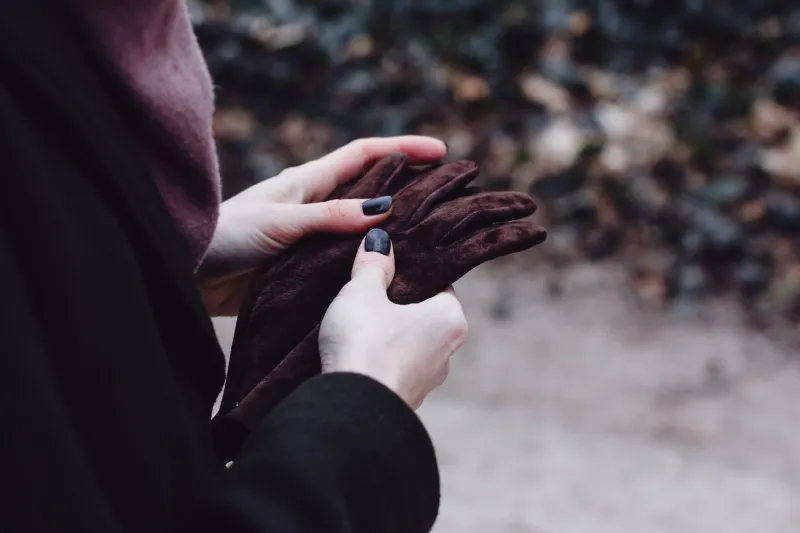
Gloves before you go out, not after. Keep a pair by the door, a spare in your bag, and maybe another in the car. Putting gloves on before your hands get cold is far more effective than trying to warm them up afterwards.
Warm your core, not just your hands. A hat, scarf and warm socks help your body hold onto heat, which means it doesn't have to shut down blood flow to your extremities quite so aggressively. Layering is your friend on a grey November morning.
Hand warmers are not a gimmick. Rechargeable or disposable hand warmers can be genuinely useful on the school run, at the bus stop or in a chilly office. Keep one in your coat pocket.
Rewarm gently. If your fingers have gone white, run them under comfortably warm — not hot — water, or tuck them into your armpits. Don't rub them vigorously or put them straight on a hot water bottle, especially if they're numb. Numb skin can't tell you if something is too hot.
Watch the sudden temperature shifts. Grabbing milk from the fridge, washing up in cold water or stepping out of a warm bath into a cold bathroom can all set things off. Use warm water for washing up, wear gloves for the freezer, and keep a dressing gown handy.
Keep moving. Wiggle your fingers, swing your arms, or march on the spot. Movement helps circulation and can ease an episode.
Don't overlook stress. Raynaud's can be triggered by emotional stress as well as cold. If you notice it happening before a meeting or during a tense phone call, a few slow breaths and a moment to unclench your shoulders can help.
Smoking and caffeine. Smoking narrows blood vessels, so cutting back is one of the best things you can do for your circulation. Caffeine affects people differently, but if you notice more episodes after a strong coffee, it's worth experimenting.
When it's worth booking a GP appointment
Most people with mild Raynaud's don't need to see a doctor. But it's sensible to book an appointment if:
- Episodes are frequent or severe enough to affect daily life — work, typing, cooking, or getting the kids ready.
- You get sores, ulcers or skin infections on your fingers or toes.
- The colour changes happen on only one side of your body.
- It starts later in life, gets worse quickly, or comes with other symptoms like joint pain, a rash, dry eyes or unusual tiredness.
- You're worried and want some reassurance.
Your GP may ask about your triggers, how often it happens, and any other health conditions or medications. They might examine your hands, check your pulses and arrange a blood test. Keeping a simple diary or a few photos on your phone can be genuinely helpful.
For many people, lifestyle changes are enough. If symptoms are more troublesome, a GP might discuss medication that helps keep the blood vessels open. That's not a first step for most, but it's good to know there's help if you need it.
A reassuring word
Raynaud's can be annoying, and it can make a cold morning feel like a lot more effort than it should. But for most people it's manageable with a few small adjustments — and it's not something to panic about. If your hands are regularly going white or blue, or you're simply not sure, a chat with your GP is a sensible, low-drama next step. In the meantime, keep the gloves by the door and the hand warmer in your pocket. Your fingertips will thank you.